What Is Pterygium?
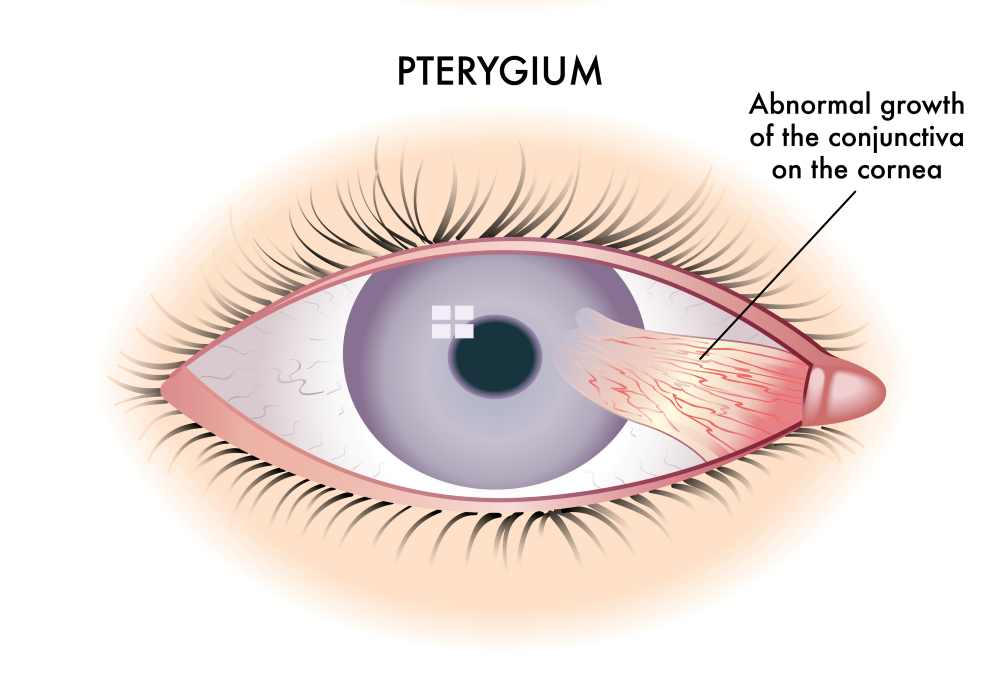
A pterygium is a common eye condition in which a wedge-shaped growth of tissue develops on the white part of the eye and gradually extends onto the cornea. Also known as surfer's eye, a pterygium is benign (non-cancerous), but it can cause persistent eye irritation, redness, and may affect vision. As a pterygium progressively grows, it can interfere with daily activities and may require surgery to remove the tissue and protect vision. Early assessment by an ophthalmologist can help determine the most appropriate treatment based on the current conditions.
What Causes Pterygium?
The exact cause of pterygium is unknown, but it is associated with excessive exposure to wind, UV rays in sunlight and irritants in the environment like dirt or sand. Because of this, it is more likely to occur in populations that live near the equator, or windy locations. Working in a dry, dirty and dusty environment may also contribute to pterygium. Additionally, it is twice more likely to occur in men than women.
How Will It Affect My Eyesight?
If you have a pterygium, you may find that your eye is:
- Red and sore
- Dry and irritated
- Itchy, with a sensation of dirt, grit or sand
In advanced cases, the pterygium can affect vision by growing over the pupil, blocking light from entering the eye. It also has the potential to produce astigmatism or to scar the cornea.
Symptoms of Pterygium
Many people with a small pterygium experience few or no symptoms. As the growth becomes larger, symptoms may become more noticeable. Common symptoms include persistent eye redness, irritation, dryness, burning or stinging, and a sensation that something is stuck in the eye. Some people may also experience excessive tearing, blurred vision or discomfort when wearing contact lenses. Symptoms may become more noticeable after prolonged exposure to wind, dust, sunlight or other environmental irritants.
How Is Pterygium Diagnosed?
A pterygium can usually be diagnosed during a comprehensive eye examination. Your ophthalmologist will assess the appearance and location of the growth and may use a slit-lamp examination to examine the size, thickness and extent of the pterygium. Vision testing may also be performed to determine whether the pterygium is affecting your eyesight. Regular follow-up examinations may be recommended to monitor whether the pterygium is increasing in size or beginning to affect vision.
How Is Pterygium Treated?
As it is a benign growth, in its early stages treatment is focused on relieving symptoms rather than removing the pterygium. Artificial tears can be used to moisten the eye, protecting it from irritation and relieving discomfort. If the pterygium is very inflammed, steroid eye drops may be used to reduce the inflammation.
Pterygium Surgery
In more advanced stages of pterygium where it presents with severe symptoms or grows to cover the pupil and block vision, surgery is recommended to remove it.
This involves a minor procedure with a risk of less than a 1 in 5,000 chance of experiencing visual problems after surgery. Occasional bleeding or a mild infection may occur, but this is rare. It is done under local anaesthesia on an outpatient basis and you will be able to return home within the same day of treatment.
During surgery, the pterygium is removed from the cornea. The bare area is then covered with a normal piece of the conjunctiva, the skin from the eye’s white surface underneath the eyelid. This is similar to a skin graft. Medical grade glue is recommended to mend the wound as it reduces irritation, inflammation and the chance of the growth recurring after surgery.
After your operation, you will be given eyedrops to be used approximately four times a day. You may feel that your eye is scratchy. This is because the surface of the eye is uneven. A protective contact lens is often placed for the first week after surgery to minimise discomfort. This contact lens is subsequently removed. The discomfort should go away after one to two weeks.
Benefits of Pterygium Surgery
Pterygium surgery can help relieve persistent irritation and discomfort caused by the growth. If the pterygium has affected the shape of the cornea or interfered with the visual axis, removing it may also help improve vision. Surgery can improve the appearance of the eye and prevent a progressive pterygium from extending further towards the centre of the cornea.
Can Pterygium Be Prevented?
Although it may not always be possible to prevent a pterygium, protecting the eyes from prolonged UV exposure may help reduce the risk of developing the condition or experiencing recurrence after surgery. If you experience dry or irritated eyes, lubricating eye drops may help improve comfort. Protecting your eyes from wind, dust and other environmental irritants may also help reduce ongoing irritation.