What is Total Knee Replacement?
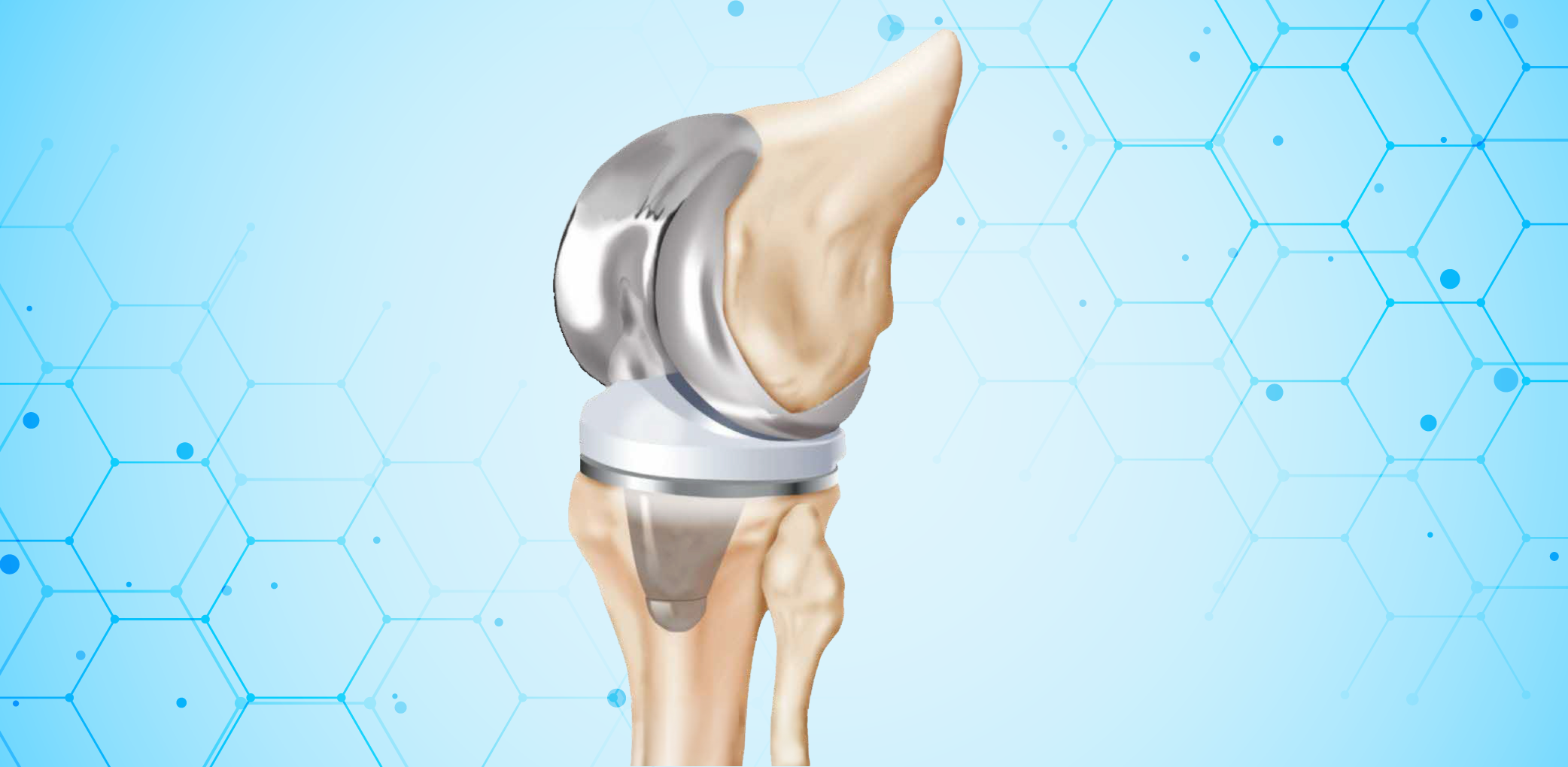
A total knee replacement (TKR) is the resurfacing of the rough damaged joint of your knee with smooth metal implants. During surgery, a smooth metal component replaces the damaged end of your thigh bone (femur), while a plastic component replaces the cartilage between the knee joint bones. Another metal component is used to replace the damaged end of your shin bone (tibia). Sometimes, the back of your kneecap is resurfaced if required.
Who Needs to Undergo a Total Knee Replacement?
A total knee replacement is typically recommended for people with advanced knee joint damage that significantly affects daily life and has not improved with non-surgical treatments.
You may need a total knee replacement knee replacement surgery if you experience:
- Severe osteoarthritis.
- Joint damage following injury.
- Degenerative condition of the knee.
- Deformity of the knee.
Symptoms to look out for include persistent knee pain even at rest, difficulty walking or climbing stairs, stiffness that limits movement, or if pain interferes with sleep and quality of life.
Osteoarthritis – A Common Condition that Requires Total Knee Replacement
Osteoarthritis is a common joint condition that occurs when the cartilage cushioning the ends of bones gradually wears away. In the knee, this cartilage normally provides a smooth, protective surface that allows pain-free movement. As osteoarthritis progresses, the damaged cartilage offers less support, causing the underlying bones to rub against each other, leading to joint space narrowing, bone spur formation, pain, stiffness, and reduced mobility. Symptoms typically develop slowly and worsen over time. When cartilage loss becomes severe and conservative treatments no longer provide relief, osteoarthritis of the knee may significantly impair daily activities.
Why Do I Need a Total Knee Replacement?
With a knee replacement operation, you can expect:
- Significant reducton in knee pain.
- Improved range of motion and joint flexibility
- Ability to wal more comfortably and for longer distances.
- Improved sleep quality due to reduced discomfort.
- Reduced reliance on pain medication.
What Do I Need to Know About Total Knee Replacement?
- You will be invited to attend a patient education session to learn more about the procedure.
- An anaesthetist will discuss with you the different anaesthetic options available.
- A doctor or a nurse will inform you of the medications that should not be taken before the surgery.
- A financial counsellor will provide an estimated cost for your surgery and help you with the payment options available.
- The estimated length of hospitalisation is 2 to 3 days if no complications arise.
- Your care journey will be guided every step of the way by a dedicated care manager.
Before the Knee Replacement Surgery
Preparation
- Prepare a chair with armrests. When you sit down, your hips should be slightly higher than your knees.
- Remove loose rugs, clutter and other fall hazards (eg. electrical cords) from the floor
- Consider getting anti-slip mats.
- Prepare proper shoes (e.g. covered shoes or sandals with heel straps and non-skid soles).
- Rearrange furniture in your home if necessary to ensure there is enough space to move around with a walking aid.
- Reorganise your belongings so that frequently used items are easily accessible.
- Prepare a bed with bed frame if you usually sleep on a mattress on the floor.
Pharmacy / Herbal Remedies Caution
Some herbal and homeopathic remedies have side effects and can increase your risk of bleeding which may delay your surgery. You are advised to stop taking the following remedies at least one week before your operation.
- Echinacea
- Ephedra
- Tongkat Ali
- Gingko bilaba
- Ginseng
- Valerian
- St John Wort
- Garlic (safe in cooking)
What Should I Bring Along for My Hospital Stay?
- Your present medication.
- Toiletries (towels will be provided by the hospital).
- Outdoor shoes (fully covered shoes are preferable)
During the Knee Replacement Surgery
Pain Control and Management
Anaesthesia
There are different methods of anaesthesia available for knee surgeries in Singapore. Your anaesthetist will perform an assessment and discuss the options with you.
- Under general anaesthesia, you will be asleep during the surgery. A breathing tube will be inserted down your throat to help you breathe during the surgery. You may experience side effects such as sore throat, nausea and vomit when you wake up.
- If spinal anaesthesia is given instead, you will feel numb below the waist and will not feel any pain during the surgery. You may be awake or on light sedation to keep you comfortable. Compared to general anaesthesia, you will be more awake after the surgery, and there is often less pain, nausea and vomiting afterwards.
After the Knee Replacement Surgery
Pain Management
Managing your pain well after surgery is an important component in your recovery. Pain that is well controlled allows you to participate in your exercises and can help reduce the length of hospital stay. You are advised to take your pain medication regularly at least for the first 72 hours. As your pain subsides, the number and frequency of pain medication will be adjusted accordingly to fit each patient’s needs.
Rehabilitation
Rehabilitation can start as early as the same day of surgery, to prevent stiff knees. Your physiotherapist and occupational therapist will assist you in rehabilitation sessions. Your active participation will speed up your recovery. If you have a caregiver assisting in your post-discharge care, we encourage the caregiver to be present during your therapy sessions. You may view the list of recommended post-surgery exercises here: Post Total Knee Replacement Exercises
Discharge
Your hospital stay will be approximately 2 to 3 days. When you are able to move around safely, have normal food and drink intake, and there are no medical complications, you are safe to discharge to recover in your home environment.
Occupational Therapy
The occupational therapist will teach you how to manage your daily activities after surgery such as dressing, toileting, and showering.
Frequently Asked Questions (FAQs)